
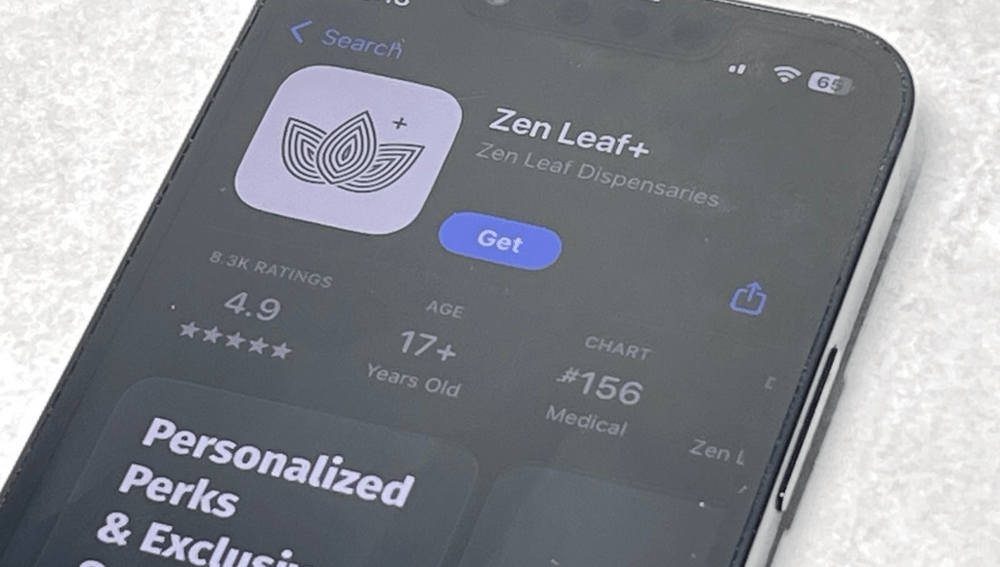
From a cannabis retail customer’s point of view, rewards programs are supposed to make shopping easier, more affordable, and more enjoyable. On paper, earning points for purchases, unlocking discounts, and getting early access to promotions sounds like a win. In reality, rewards programs and apps often introduce a new set of frustrations that can take the shine off an otherwise positive dispensary experience.
One of the most common pain points is confusion around how points are actually earned and redeemed. Many programs advertise generous point systems, but the fine print can feel deliberately vague. Points may only apply to certain products, exclude sale items, or expire before customers even realize they exist. From the customer side, it can feel discouraging to see a points balance grow, only to discover it cannot be used on anything you actually want.
App usability is another frequent issue. Cannabis rewards apps often feel rushed or poorly designed. Slow loading times, clunky navigation, and frequent crashes can make checking points or accessing deals more frustrating than helpful. Customers may stand at the counter trying to log in while the app refuses to load, creating awkward delays during checkout. When technology gets in the way of a smooth purchase, it defeats the purpose of having a digital loyalty system.
Account access problems also rank high on the frustration list. Forgotten passwords, verification codes that never arrive, or apps that randomly log users out can turn a quick visit into a hassle. Some customers give up entirely after multiple failed login attempts, choosing to ignore the rewards program rather than fight with it every visit. When access feels unreliable, loyalty quickly turns into indifference.
Inconsistent point tracking is another sore spot. Customers expect transparency and accuracy when it comes to rewards. When points do not show up immediately after a purchase, or totals appear incorrect, trust erodes. Shoppers should not have to keep mental notes or receipts just to make sure a rewards system is working properly. Any program that requires follow-up emails or in-store explanations to fix missing points feels more like a chore than a benefit.
Communication overload can also be exhausting. Many cannabis rewards programs rely heavily on push notifications, emails, and text messages to stay top of mind. While some alerts are useful, too many messages can feel intrusive. Customers may receive daily notifications about deals that do not apply to their preferences, leading them to mute alerts or unsubscribe altogether. A rewards program that talks too much often ends up being ignored.
Another frustration comes from a lack of personalization. Customers expect rewards programs to recognize shopping habits over time. Instead, many apps push the same promotions to everyone, regardless of purchase history or preferences. When a medical customer receives repeated promotions for products they never buy, the program feels disconnected and impersonal.
Finally, limited staff knowledge can undermine even a well-designed rewards program. Customers often turn to budtenders for clarification, yet not all staff members are fully trained on how the rewards system works. Conflicting explanations or unclear answers can leave shoppers feeling uncertain about whether participation is worth the effort.
From the customer’s perspective, cannabis rewards programs work best when they are simple, reliable, and transparent. When apps are easy to use, points are clearly explained, and rewards feel meaningful, loyalty grows naturally. When friction replaces convenience, customers may still shop at the dispensary, but the rewards program becomes background noise rather than a reason to return.
Read here on mistakes to avoide when signing up for the first time.